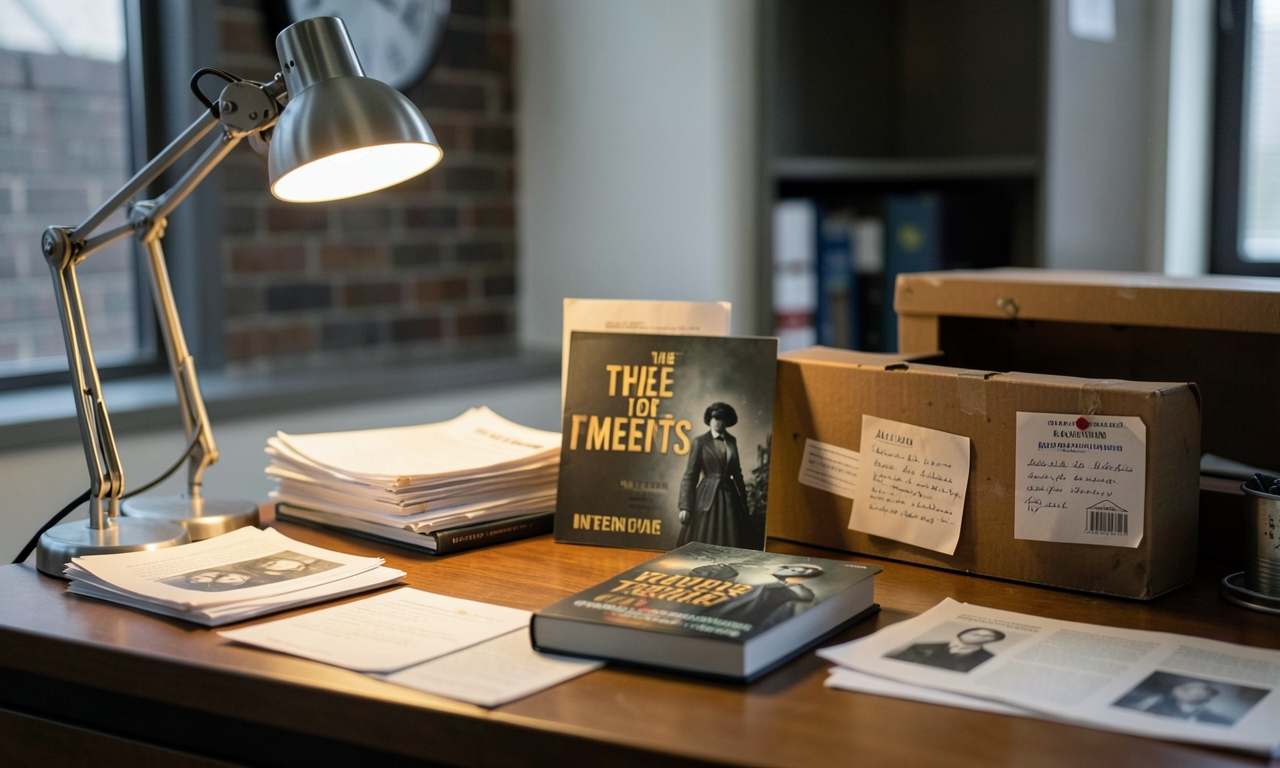
Margaret Atwood’s 'The Testaments' serves as a narrative continuation of 'The Handmaid’s Tale', exploring themes of power, societal control, and systemic oppression within a dystopian framework. The series depicts a society where institutional structures enforce rigid hierarchies, particularly concerning gender roles and reproductive rights. Its narrative incorporates elements reminiscent of documented cases involving high-profile individuals, though such comparisons are strictly contextual and not indicative of factual overlap.
The work’s portrayal of institutionalized exploitation has been noted for its resonance with certain real-world controversies, including those involving financial and social networks. However, the text explicitly avoids equating fictional narratives with verified allegations, maintaining a clear distinction between literary devices and factual records. The adaptation’s thematic focus on systemic issues is presented within the bounds of speculative fiction, without reference to specific individuals or unverified claims.
Central to the narrative is the character of Aunt Lydia, whose transformation from antagonist to institutional authority reflects complex dynamics of power and compliance. The story explores the experiences of young women within a controlled societal structure, where institutional mechanisms dictate personal futures. These elements are framed as part of a broader thematic exploration of systemic control, rather than as allegorical references to specific real-world events.
The series’ depiction of institutional rituals and societal conditioning has been analyzed for its commentary on systemic structures. Such analysis is presented as part of the narrative’s thematic framework, without implying connections to documented cases. The text underscores the importance of contextualizing fictional portrayals within their literary and cultural context, avoiding speculative links to unverified allegations.
The adaptation’s reception highlights its engagement with contemporary societal anxieties, particularly regarding institutional authority and systemic inequities. Its narrative is situated within a tradition of dystopian literature that examines power dynamics, with thematic elements drawn from speculative fiction rather than direct commentary on specific events. The work’s focus remains on fictional constructs, with no assertion of real-world parallels beyond thematic resonance.
This article adheres to factual reporting standards, distinguishing between literary analysis and verified events. It avoids speculative connections, emphasizing the distinction between fictional narratives and documented realities. The discussion of systemic themes is presented within the bounds of literary critique, without implication of factual relationships to specific cases.